

A University Experience℠
Structured & comprehensive
Vibrant community
Learn at your own pace
Online painting classes for adults
…brought to you by an award winning artist
Add Structure To Your Learning
Fill in the gaps in your knowledge with a structured and comprehensive Apprentice Program of Online Painting Classes. Use my 9 skill Building Blocks℠ to master one simple step at a time.
Make Art, Not Just Paintings
My online art school is not just about learning how to paint— it is about learning how to create art, using my unique Visual Music & Poetry® approach.
Online Painting Classes For Adults From Award Winning Artist, Barry John Raybould
My virtual painting classes and courses capture all of the knowledge and skills that I have acquired over a period of 30 years on my journey to becoming a professional artist. You can see details of my awards, juried exhibitions, solo and group shows, and gallery representation on my fine art website.
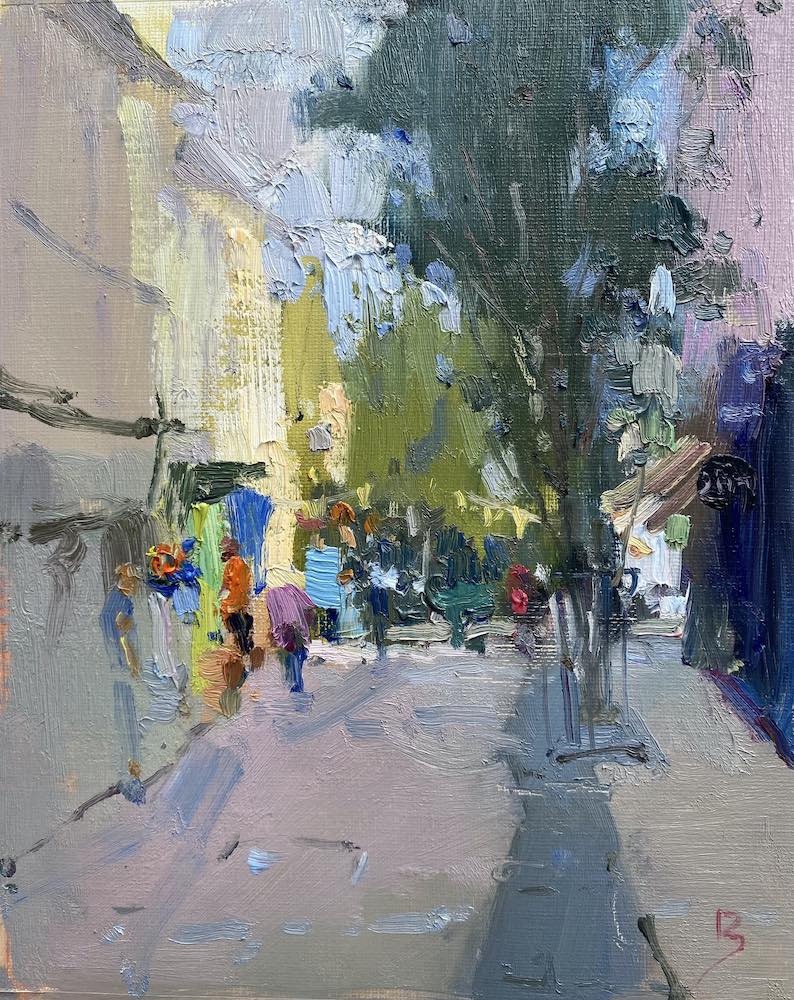
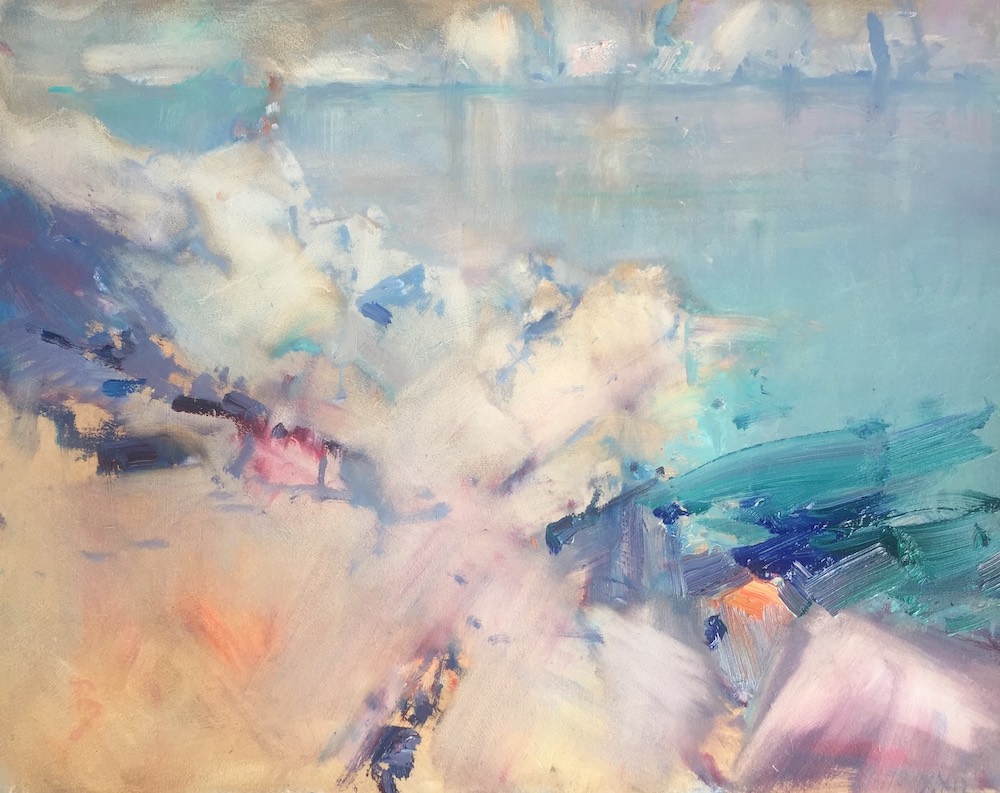
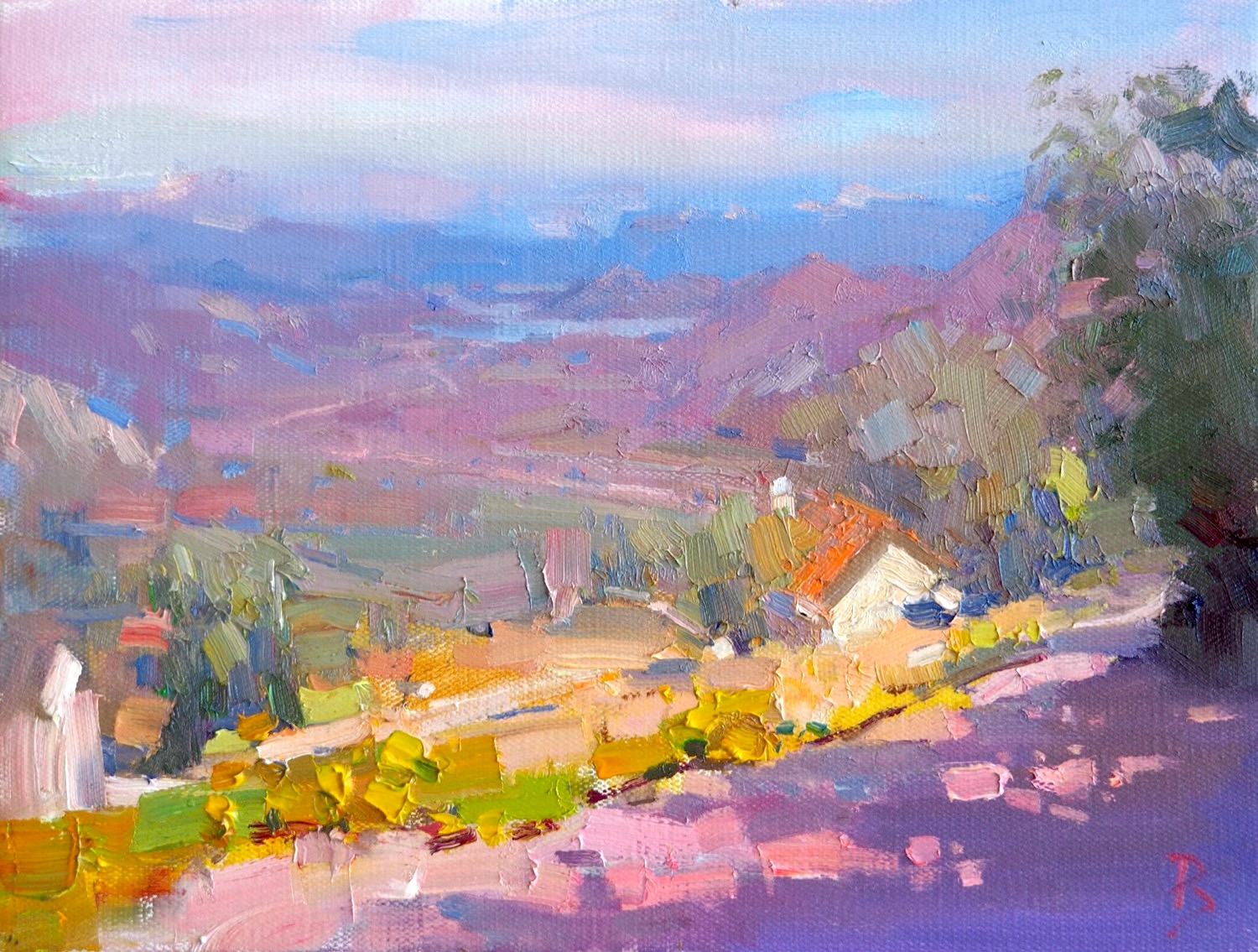
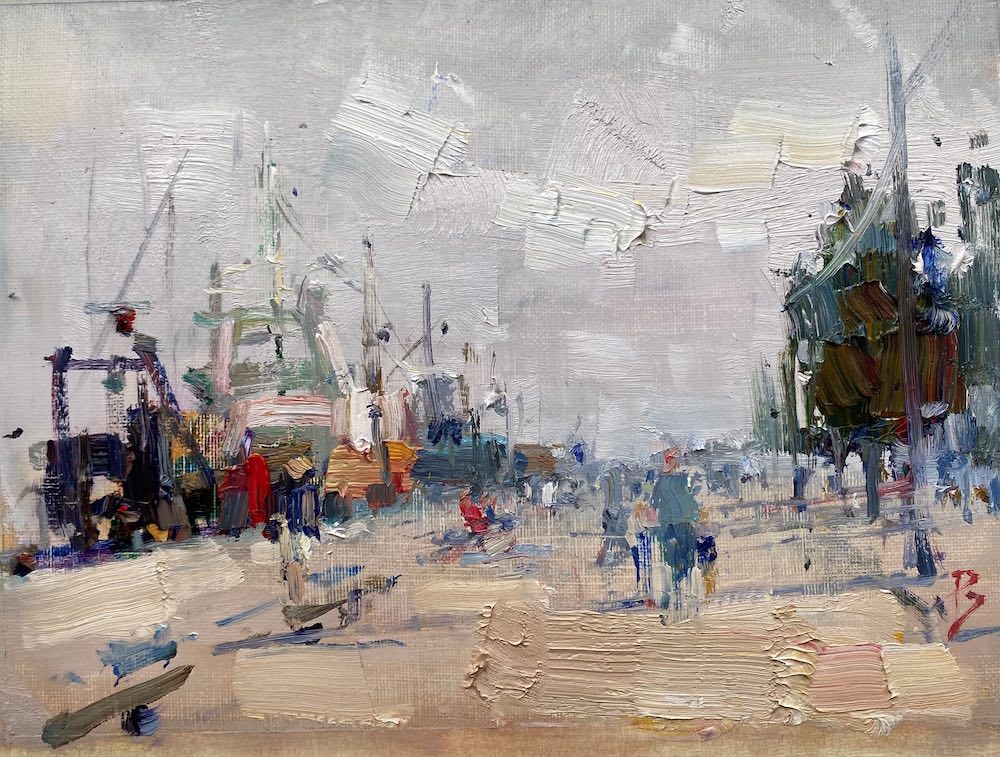
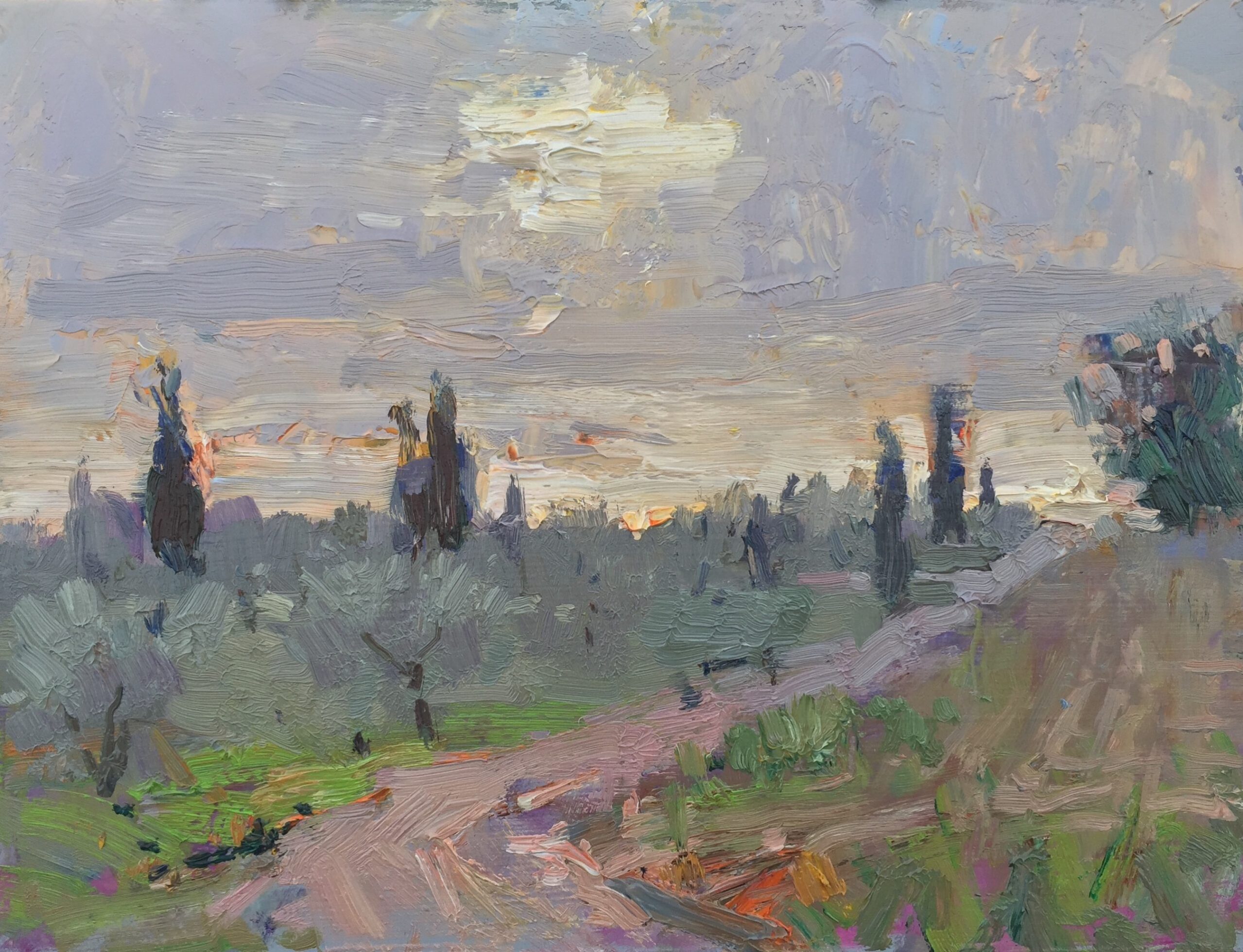
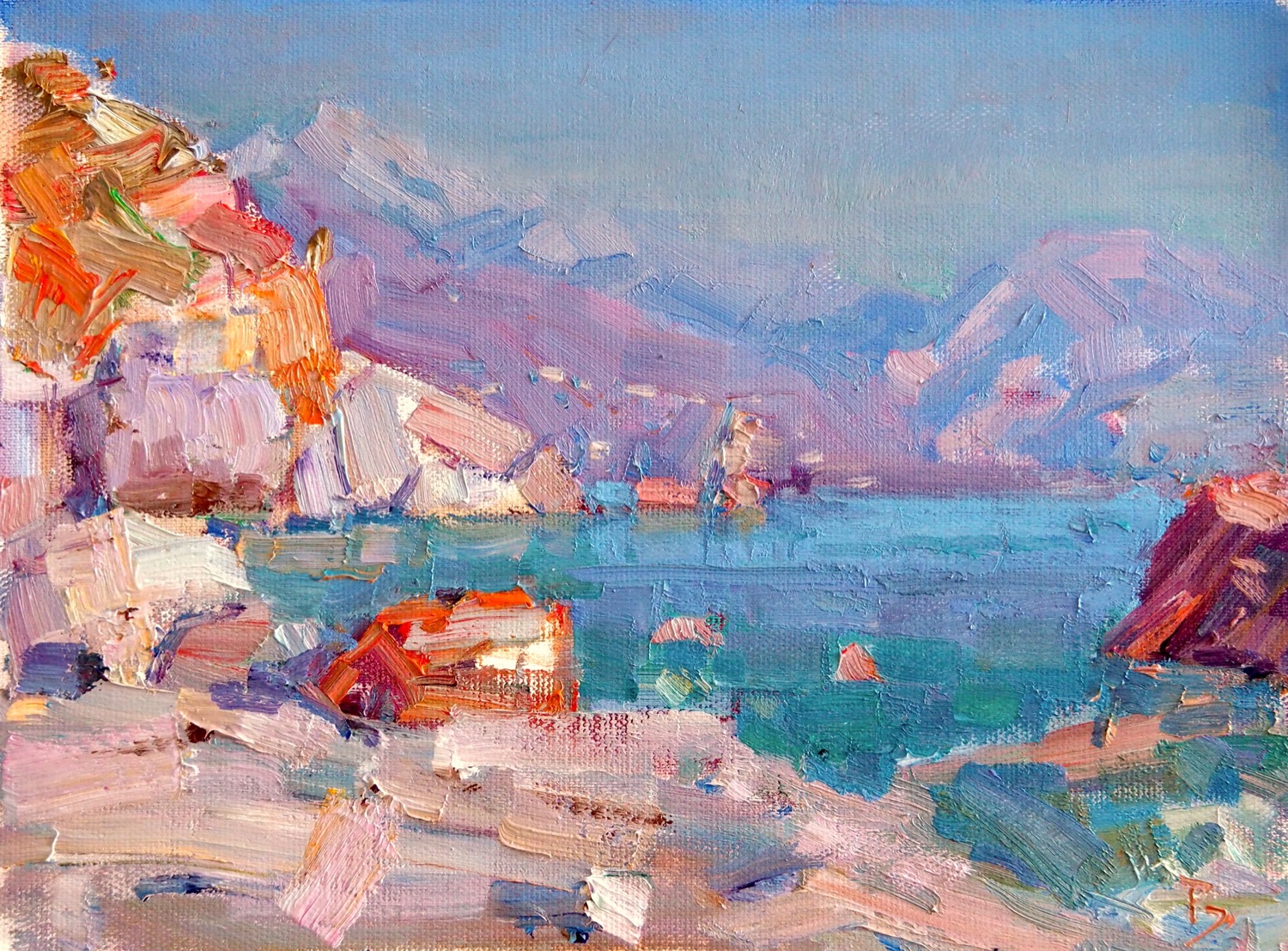
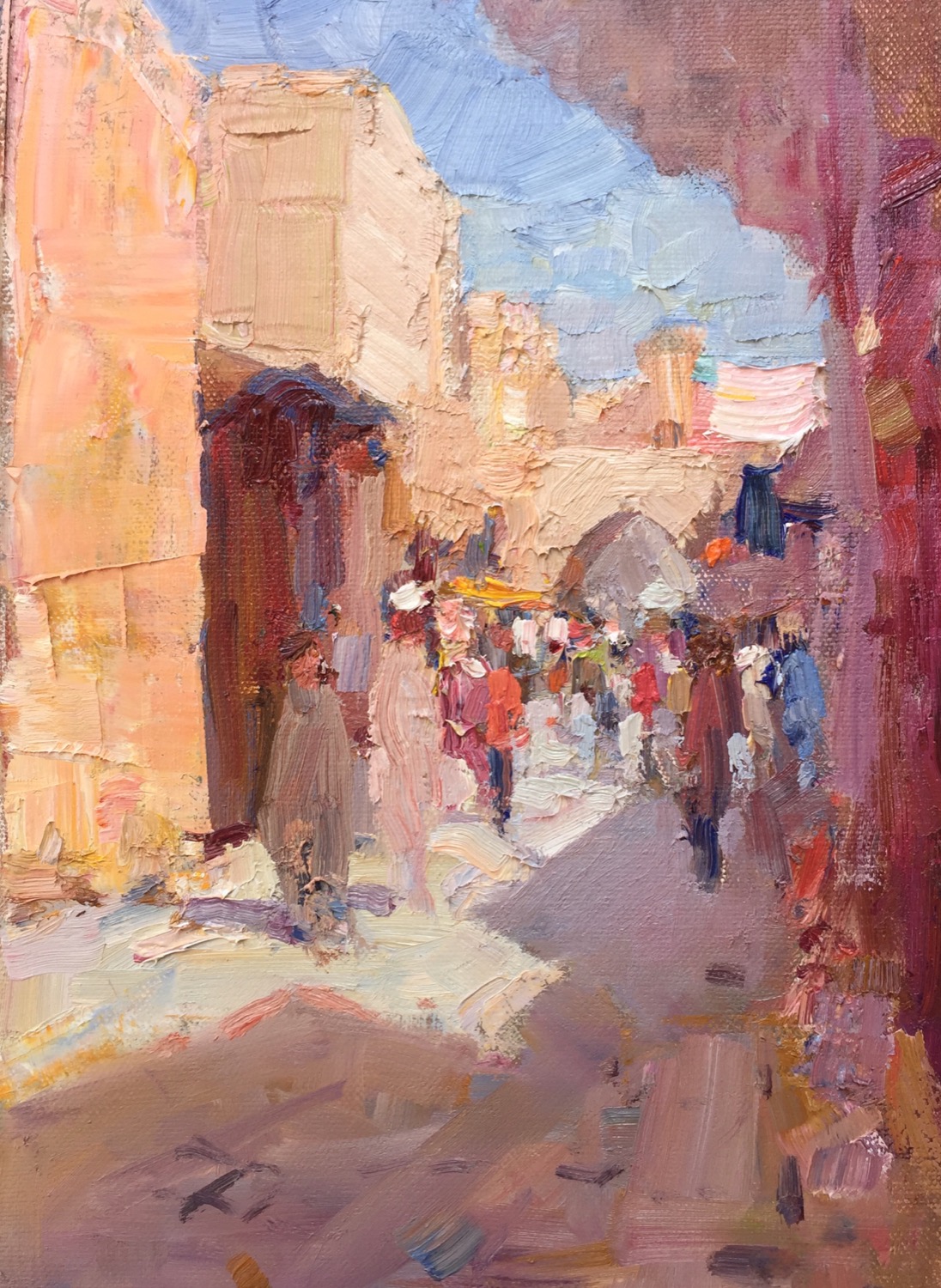
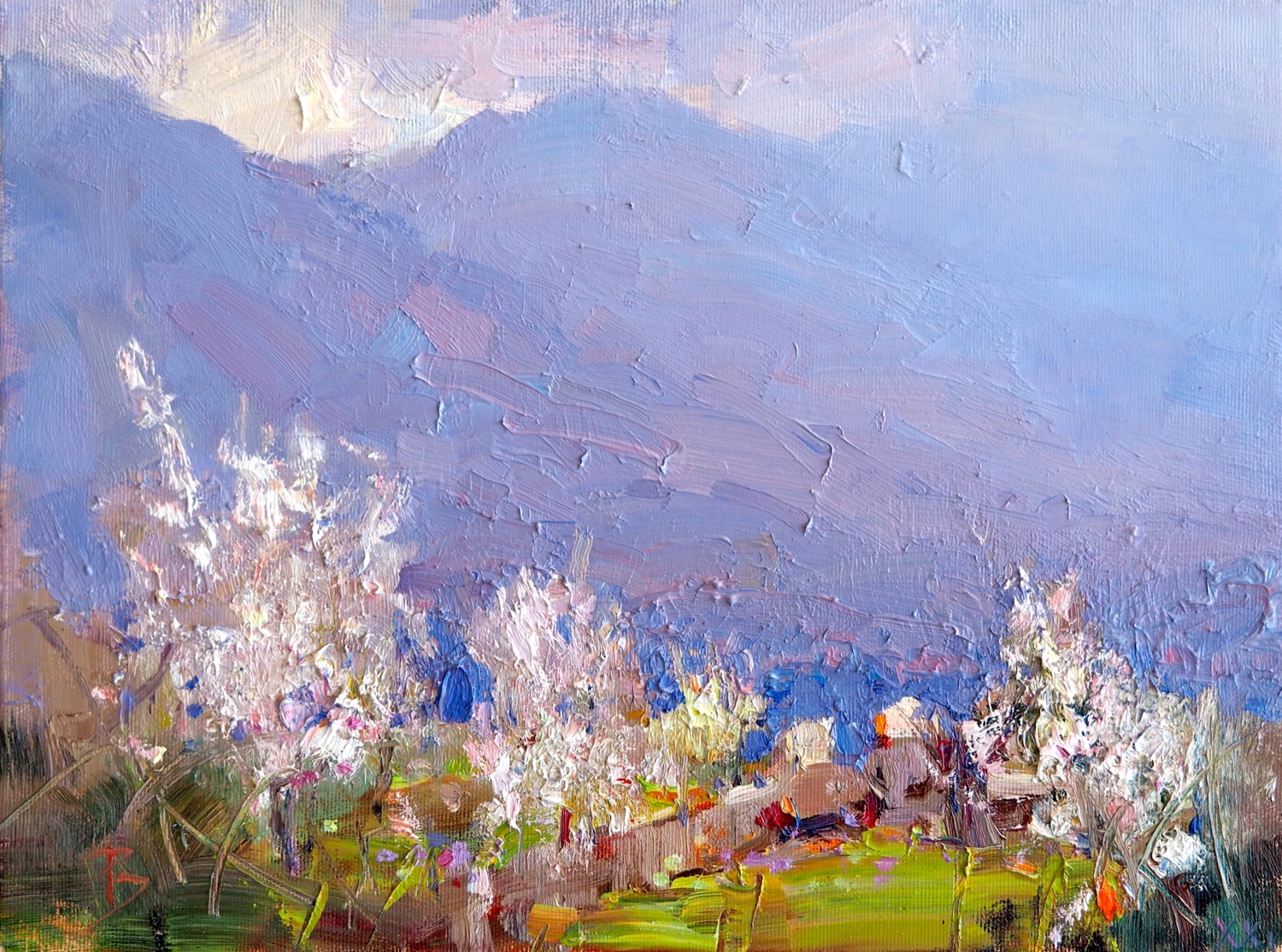
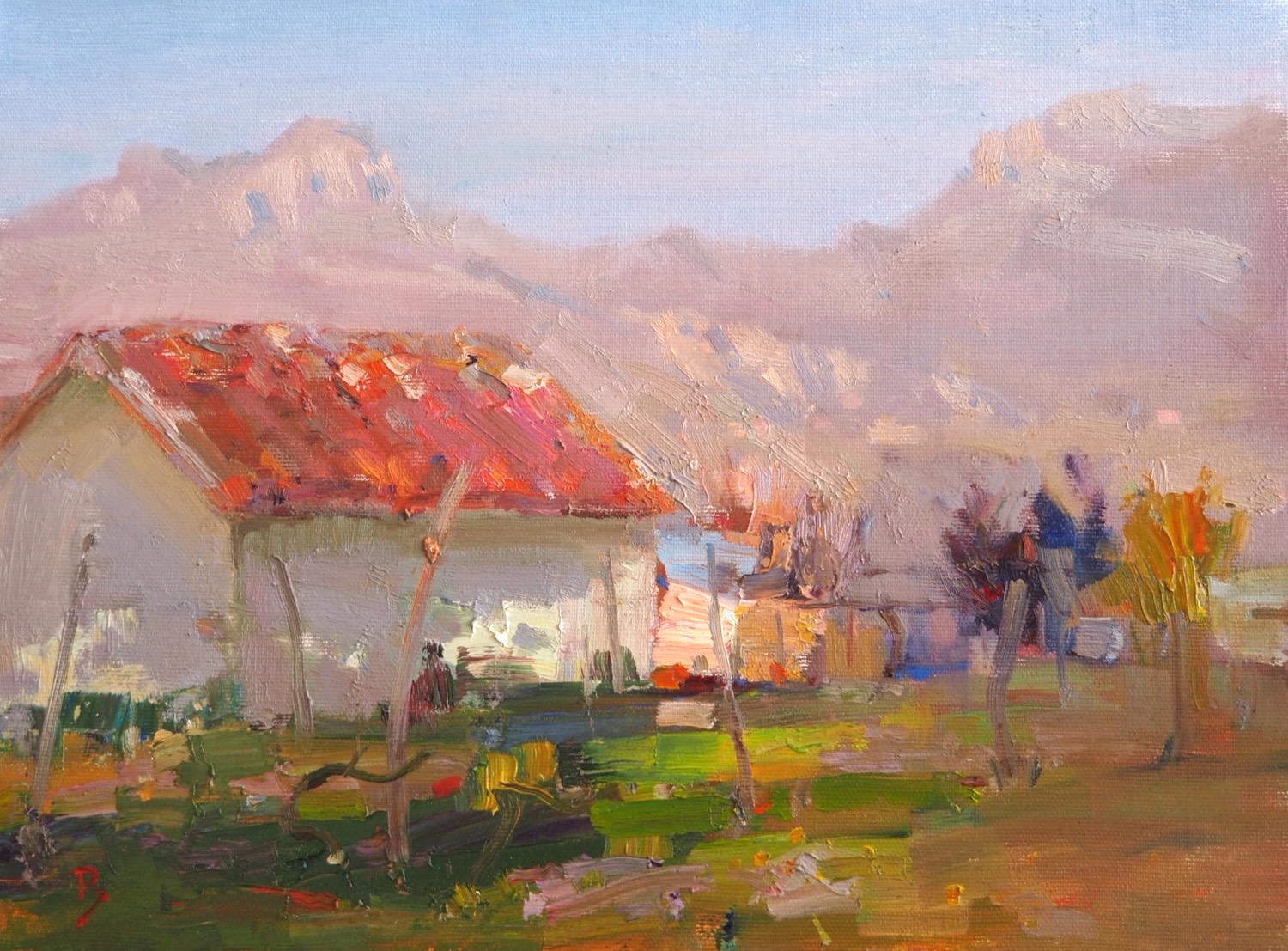
Alumni Work
Most online painting courses only teach you to become a clone of your instructor. Because its teaching is principle-based, the Virtual Art Academy lets you to express your own style and creativity—as you can see from the wide variety of our alumni work below.
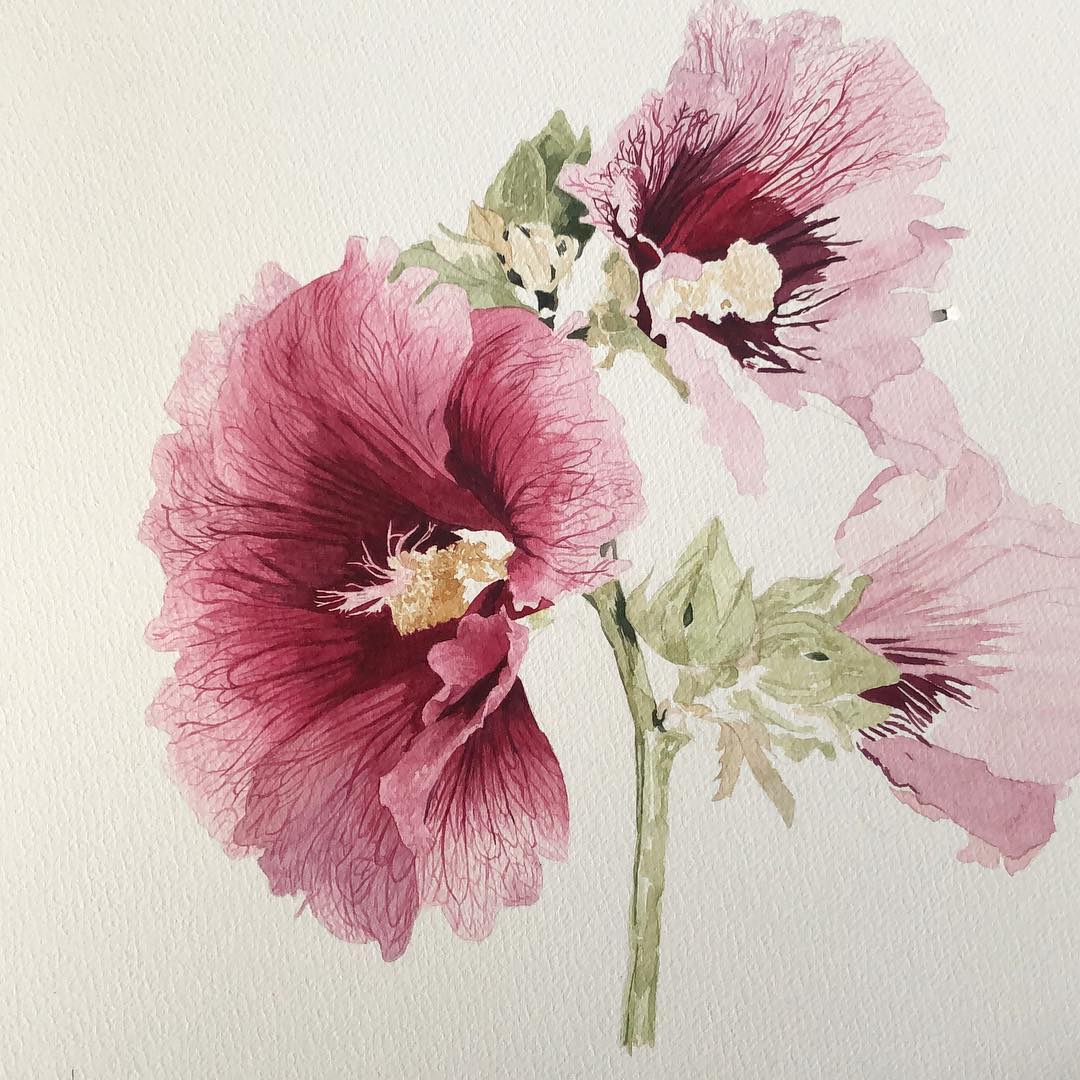
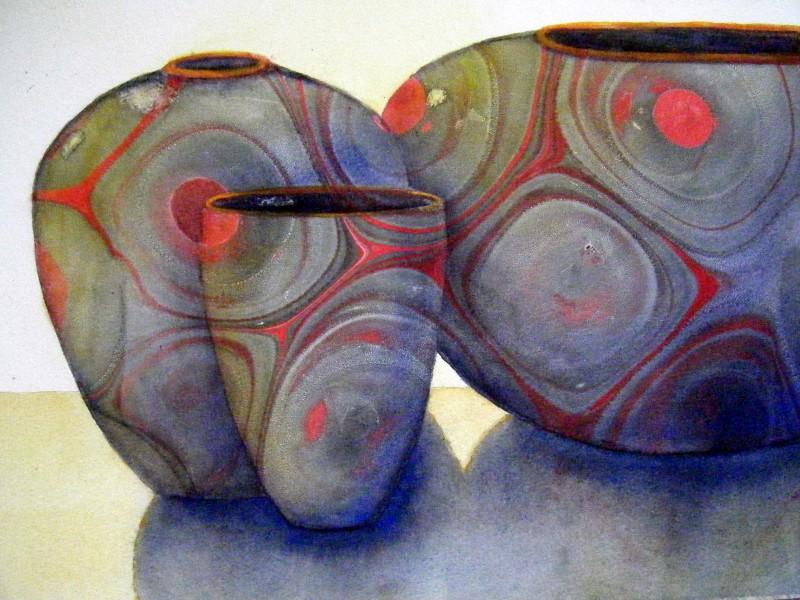
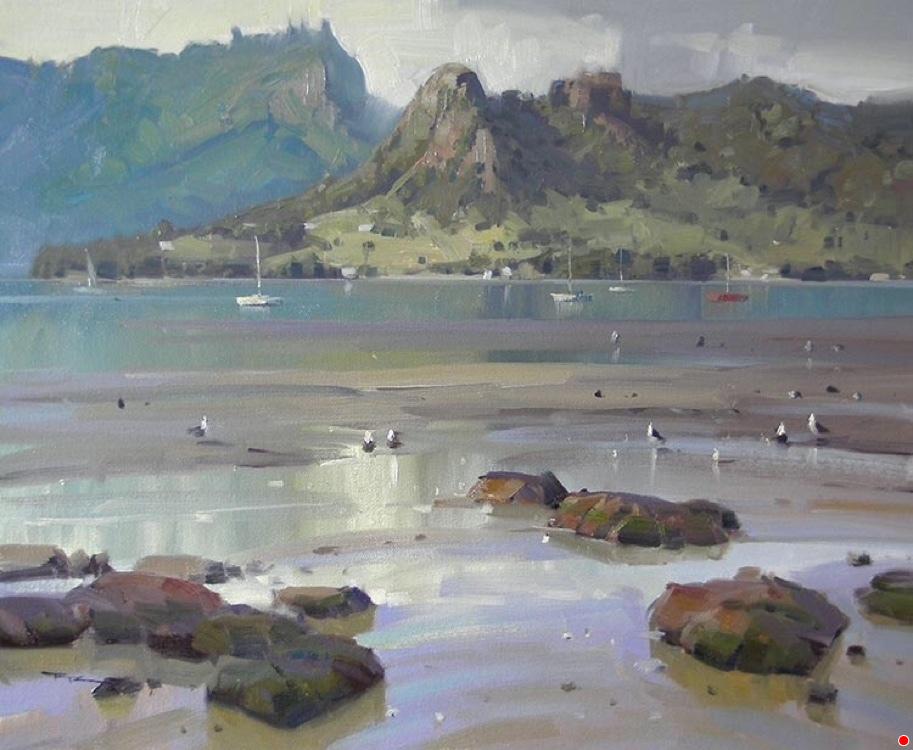
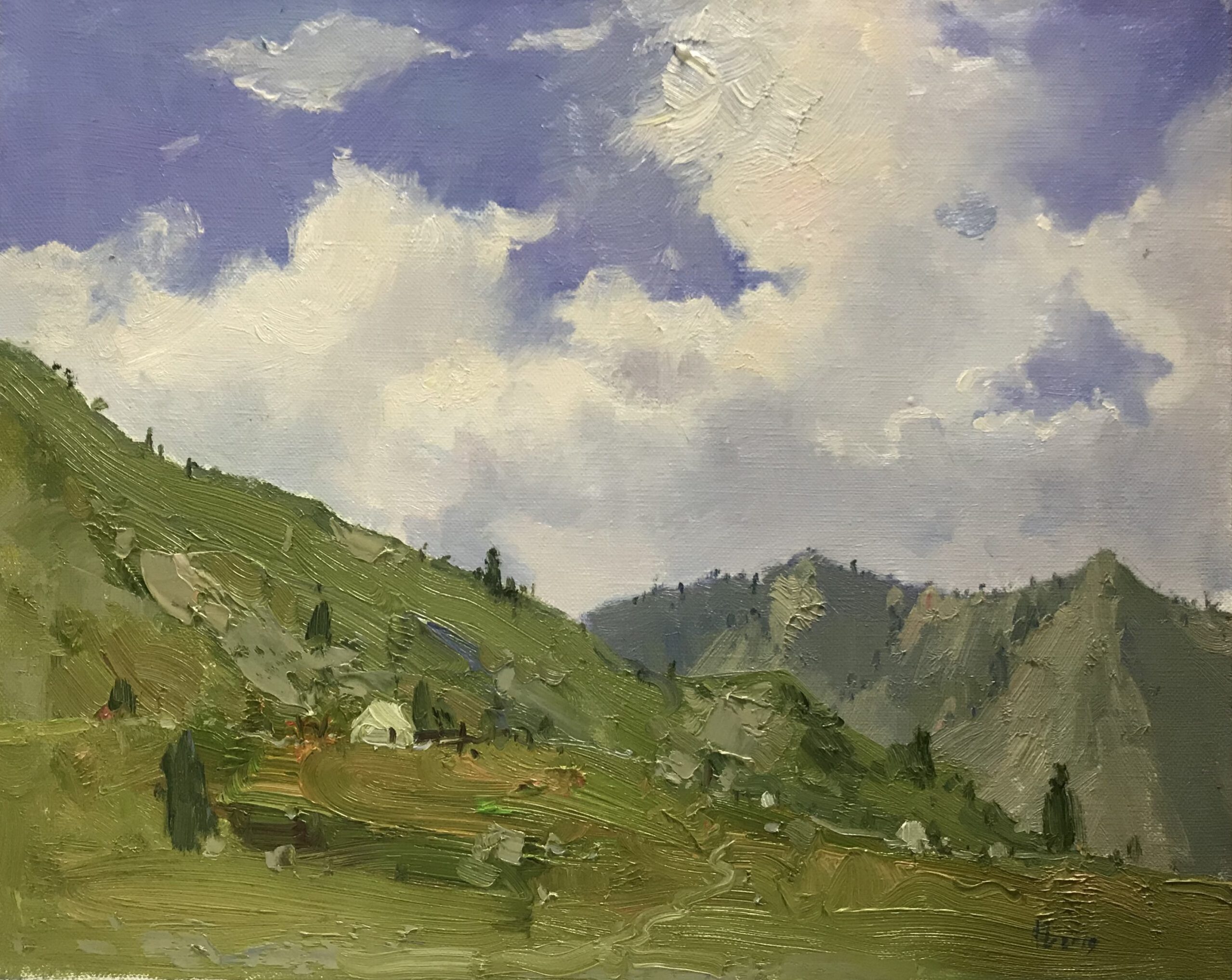
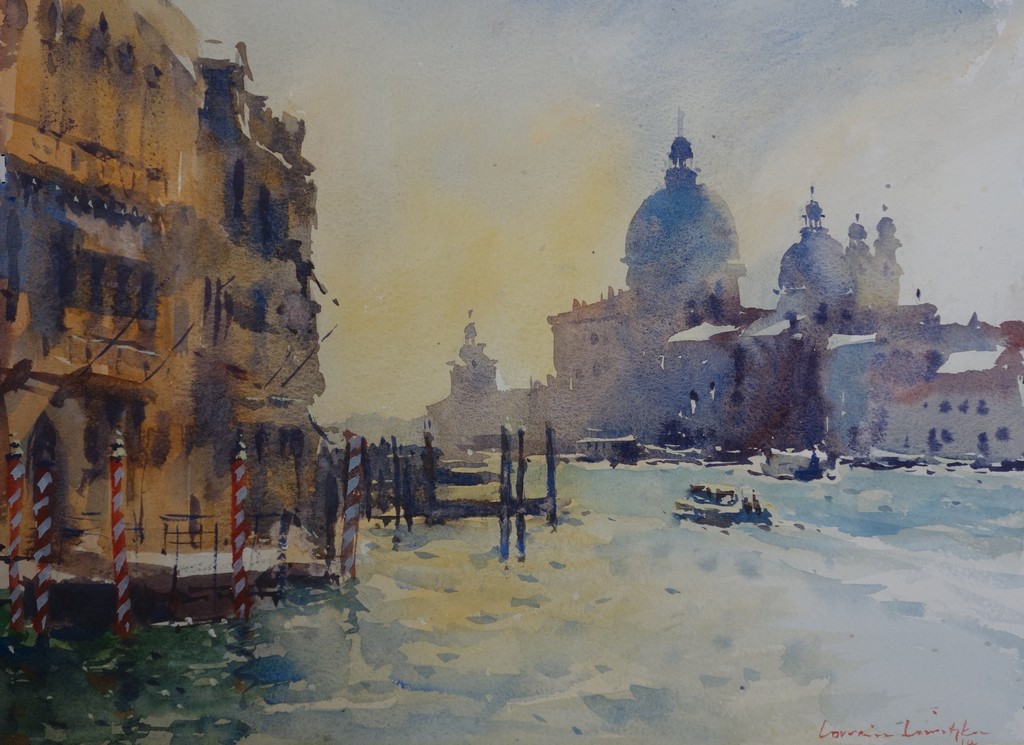
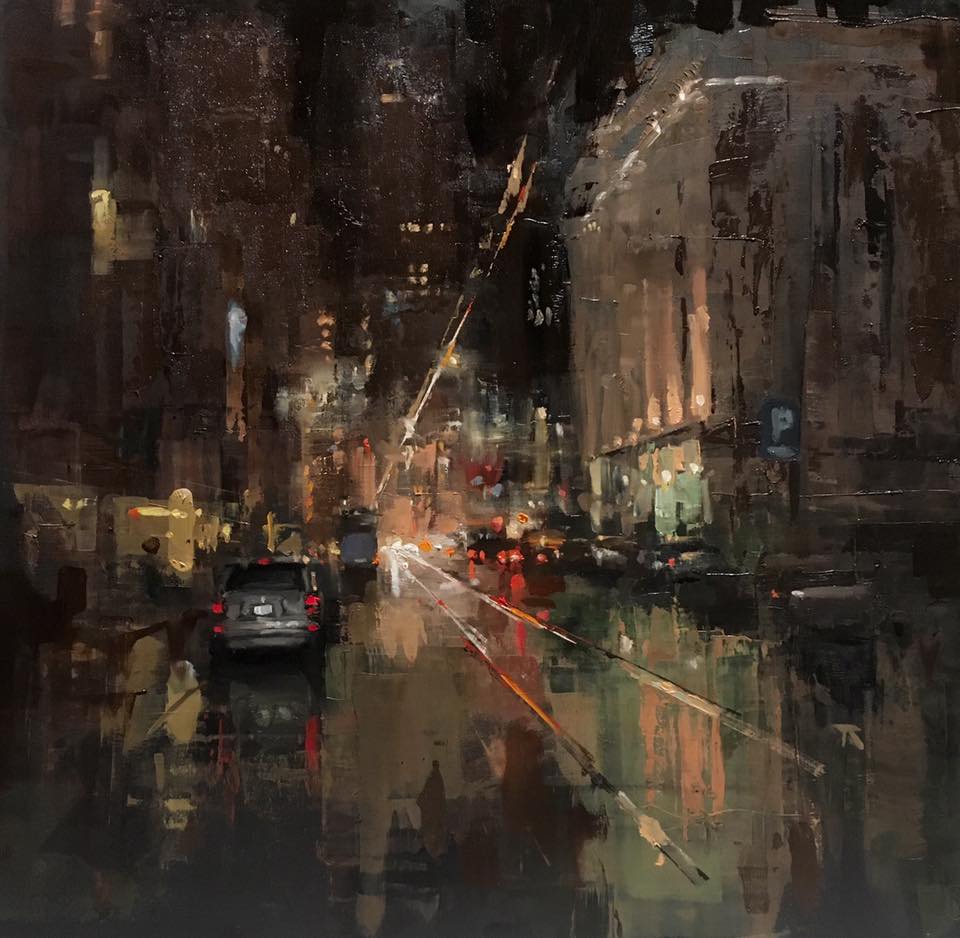
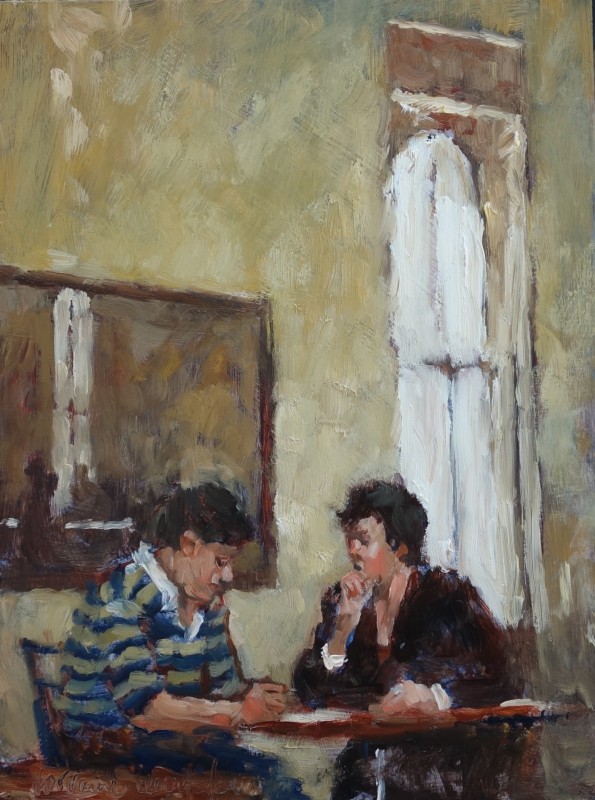
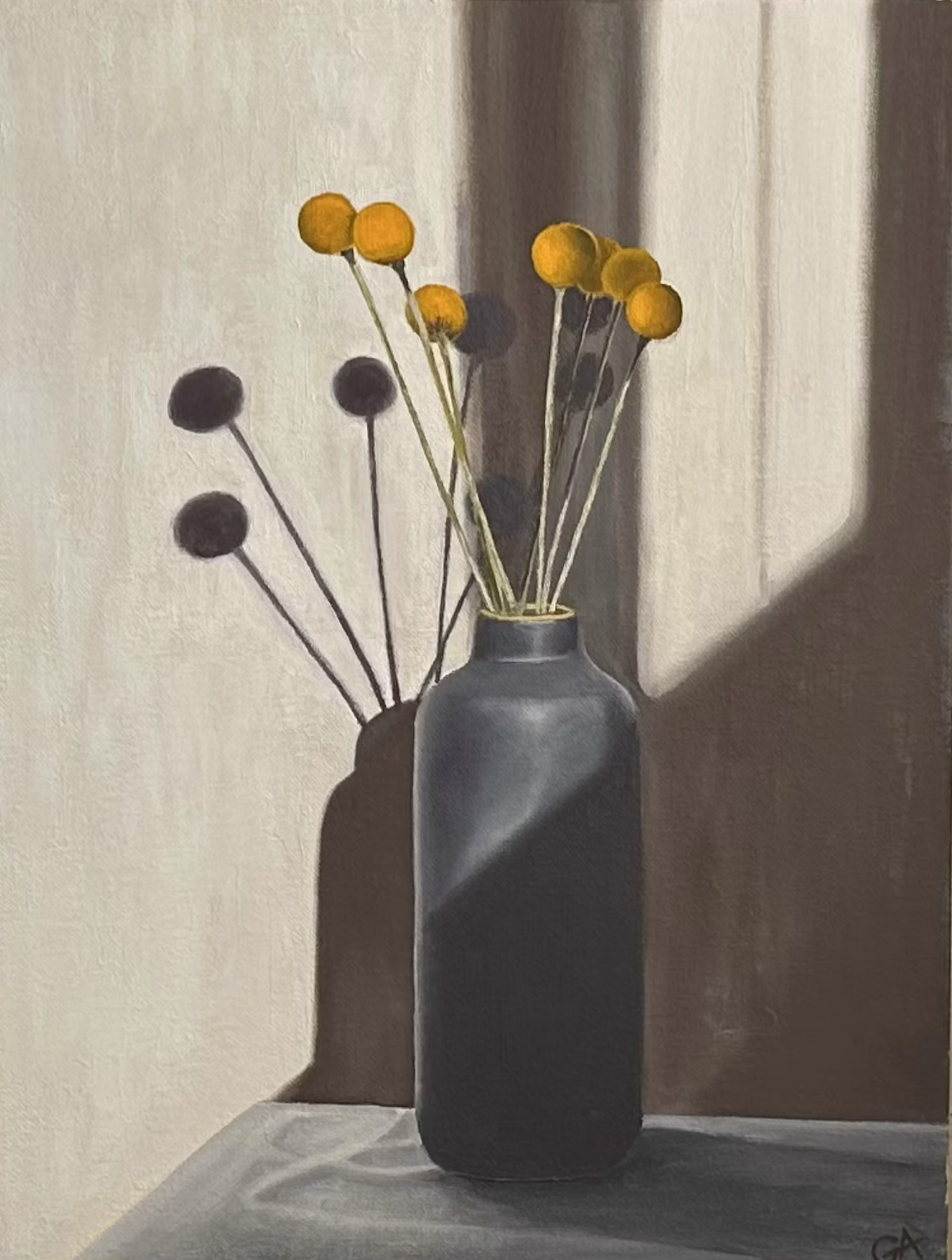
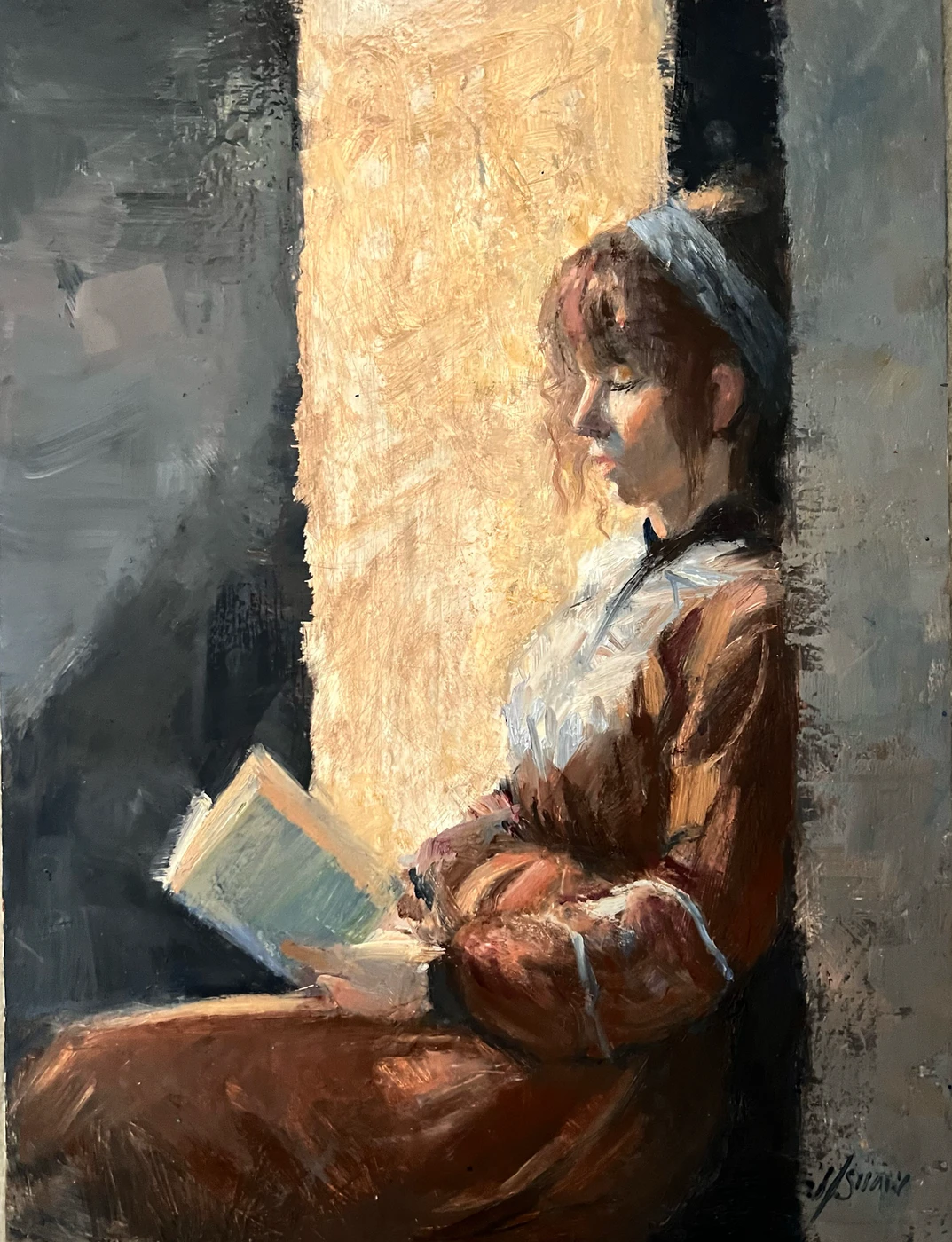
Many of my students have won awards, found galleries to represent their work, been elected as members of art societies, and become full time professional artists.
Choose Your Own Painting Style
At the Virtual Art Academy you will learn the important underlying principles of painting that are the foundation of all great artworks.
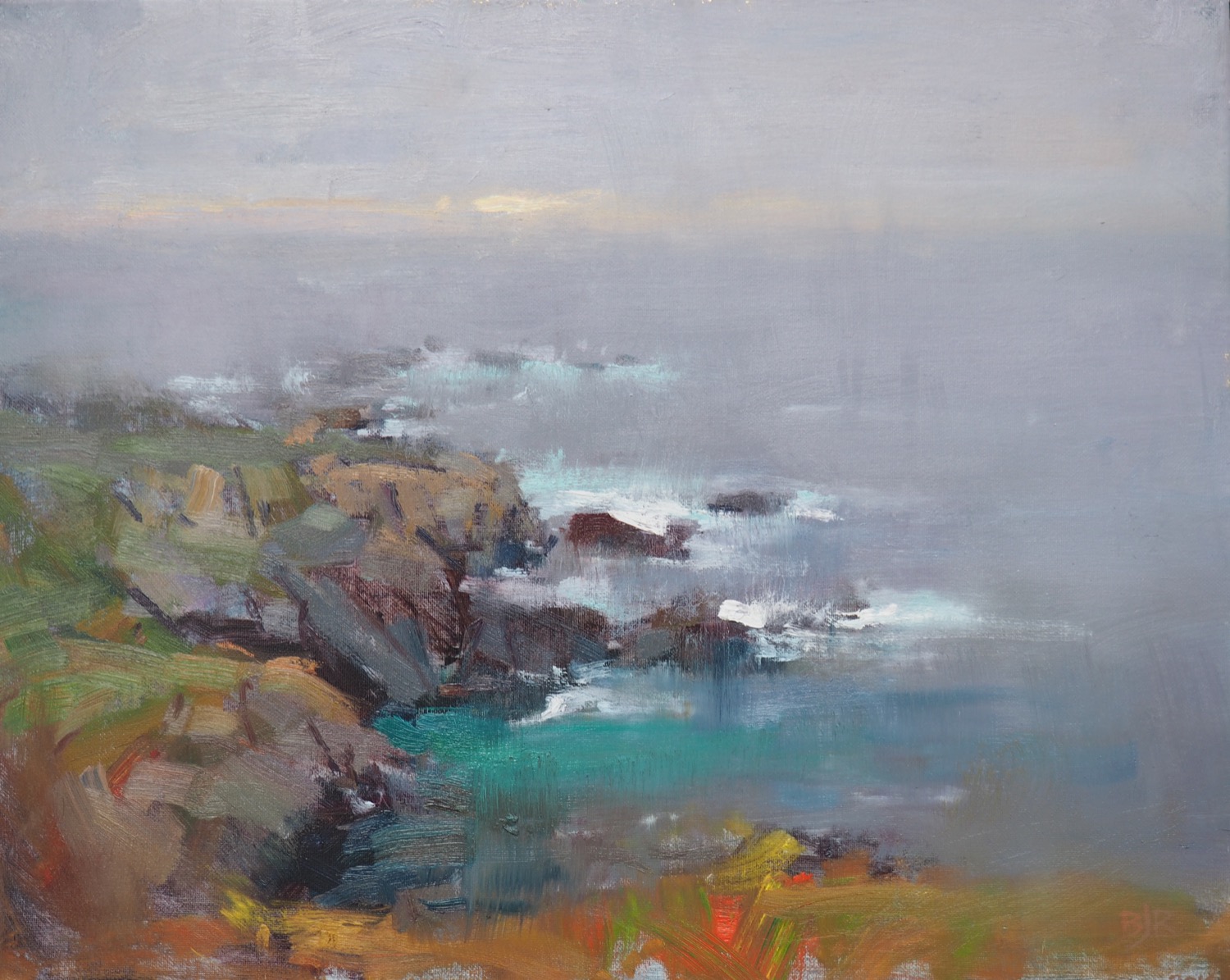
This also means that you will be able to find your own artistic voice and paint whatever subject matter that moves you in whatever style, realistic, impressionistic, expressionistic, or abstract. My students paint in a range of styles from highly realistic to abstract impressionistic work.
Testimonials
Many members have now been with me for over ten years, taking advantage of the Spiral of Learning℠ approach in my virtual art classes —a unique way of helping you continually strengthen your foundational skills, and improve the quality of your paintings.
‘Ladder of Learning’ adds to overall positive experience of this awesome course

The VAA course is built on four main building blocks including PROCESS, REALISM, MUSIC AND POETRY. These are further divided into topics that are continuously developed throughout the curriculum. Drawing, Form, Observation, Colour, Brushwork, Notan, Composition and Poetry are all thoroughly taught. Working on-line we meet students from all around the world, interacting with them… Read more “‘Ladder of Learning’ adds to overall positive experience of this awesome course”
The most comprehensive, in depth and well-organized painting course available online

After a thorough research, my personal conclusion is that the Virtual Art Academy (VAA) is, by wide margin, the most comprehensive, in depth and well-organized painting course available in the internet. Unlike most tutorials and color mixing recipes commonly found online, VAA’s philosophy is rather to provide the students with detailed information about all aspects… Read more “The most comprehensive, in depth and well-organized painting course available online”
This is a far more superior school than anything I have seen being taught at colleges across the country

This is a far more superior school than anything I have seen being taught at colleges across the country and have learned much more from the Virtual Art Academy® than from any art course I have ever taken! I cannot begin to tell how the Virtual Art Academy has improved my observation of potential compositions… Read more “This is a far more superior school than anything I have seen being taught at colleges across the country”
The improvement in my own work reaffirms that I’ve found the right program to develop as an artist

I have been a student of VAA since 2011. I had been searching for an online art program that could assist in helping me develop as an artist. VAA is a complete program for beginners as well as advanced students of art. The course is well structured and takes you step by step so you… Read more “The improvement in my own work reaffirms that I’ve found the right program to develop as an artist”
The most comprehensive art instruction I could find anywhere online, and trust me, I had been looking for a long time.

I joined 2 years ago with my daughter. We have both learnt so much and have enjoyed our VAA time together. My daughter is now 13 and already produces amazing paintings. The Virtual Art Academy is simply the most comprehensive art instruction I could find anywhere online, and trust me, I had been looking for… Read more “The most comprehensive art instruction I could find anywhere online, and trust me, I had been looking for a long time.”
No need to buy expensive art books…. Just do the VAA 4 year course. I still refer to it

I finished the VAA course a few years ago, but always refer to the notes, rereading the course many times. This is not a course the day you are finished, you are done. No, you keep practising the assignments getting better and better over time. When I look back at my work when I had just… Read more “No need to buy expensive art books…. Just do the VAA 4 year course. I still refer to it”
It is a real course that trains you in a structured way

The questions you ask yourself are,”Will it be worth the cost?” and “Will it be truly useful?”. After a couple of weeks working on/in Virtual Art Academy®, I can say that the amount of work it represents – by Barry – is incredible! The information presented alone is more than worth the price and, yes,… Read more “It is a real course that trains you in a structured way”
The equivalent of a 4 year art education at a fraction of the cost

This is a great course for anyone who is serious about improving their painting. I have been a student here for several years. When I am finished, I will have the equivalent of a 4 year art education at a fraction of the cost. I can do the lessons anywhere and at my own pace.… Read more “The equivalent of a 4 year art education at a fraction of the cost”
Barry gave me a fishing rod so I can catch my own fish

After weeks and even months of searching YouTube, “googling” and spending a fortune on art instructional books I finally came across the Virtual Art Academy®. When it comes to purchasing online I am always very careful how I spend my money. Especially when I already spent a small fortune on art books. They always seemed… Read more “Barry gave me a fishing rod so I can catch my own fish”
Motivation And Support From A Vibrant Worldwide Community
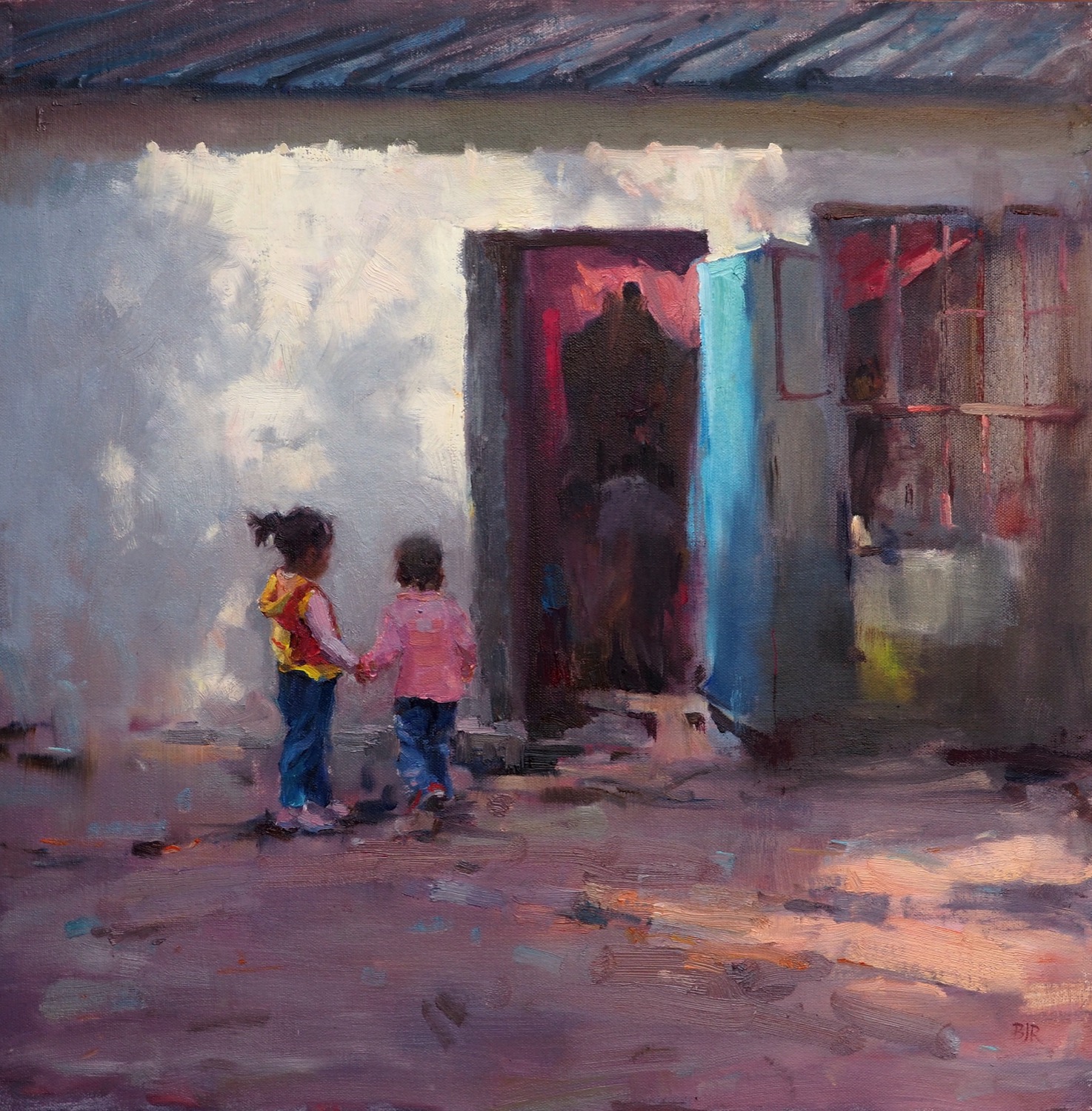
A key part of my virtual painting classes are the 350 focused assignments and an online campus where you can share your assignments and interact with students from all over the world, providing both motivation and feedback. Apart from the learning material in the 192 lessons, the discussions on the assignment submissions is an equally critical source of learning.
A Foundation Workshop For Absolute Beginners
I have created a special Foundation Workshop just for absolute beginners. In these online painting classes you will get the very basic painting skills you need to get you started. When you have finished the Foundation Workshop, you can then continue with the series of Apprentice Workshops which are a more comprehensive program of online painting classes that will take you as far as you want to go in your art.
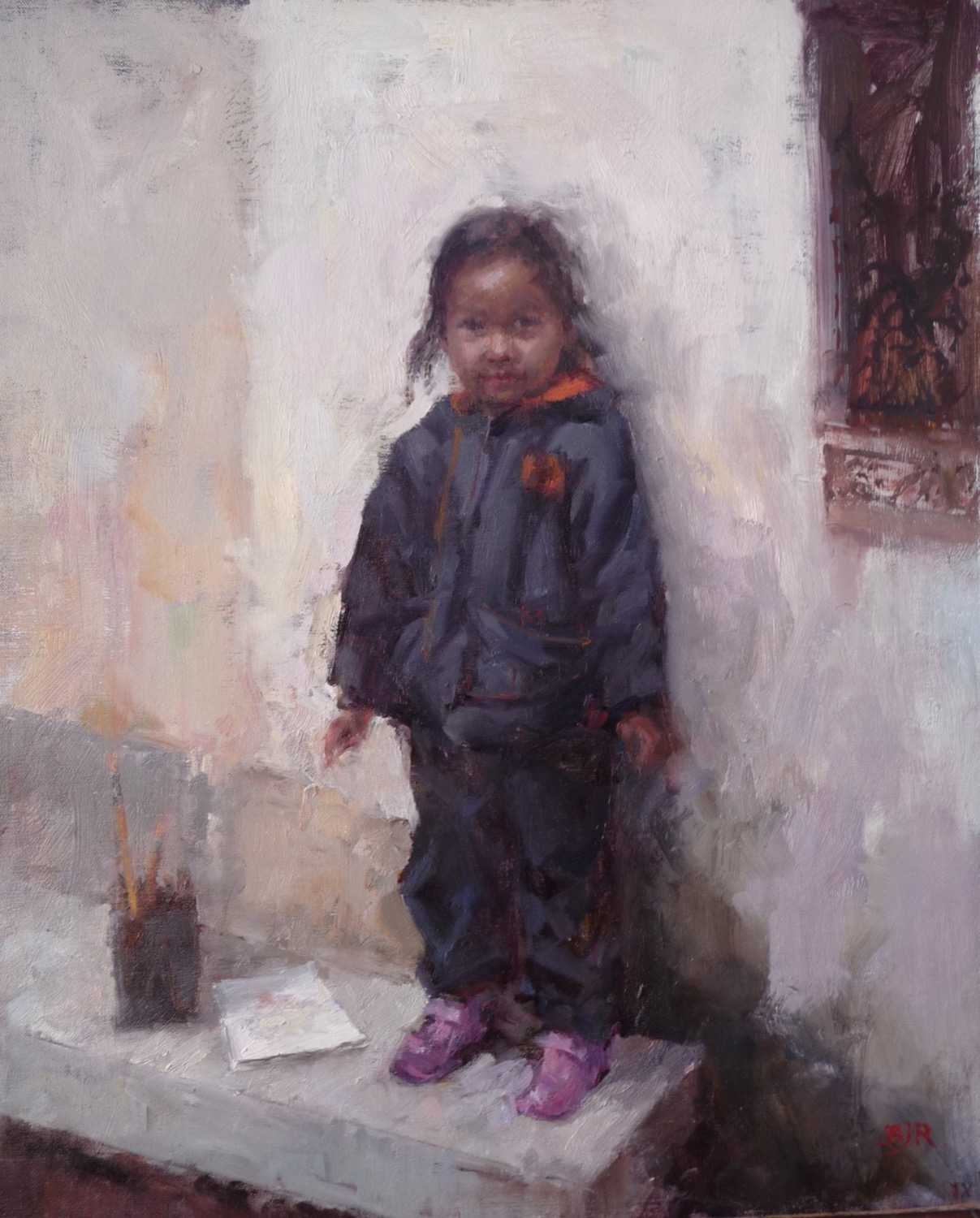
Online Painting Classes That Will Take Your Work As Far As You Want To Go
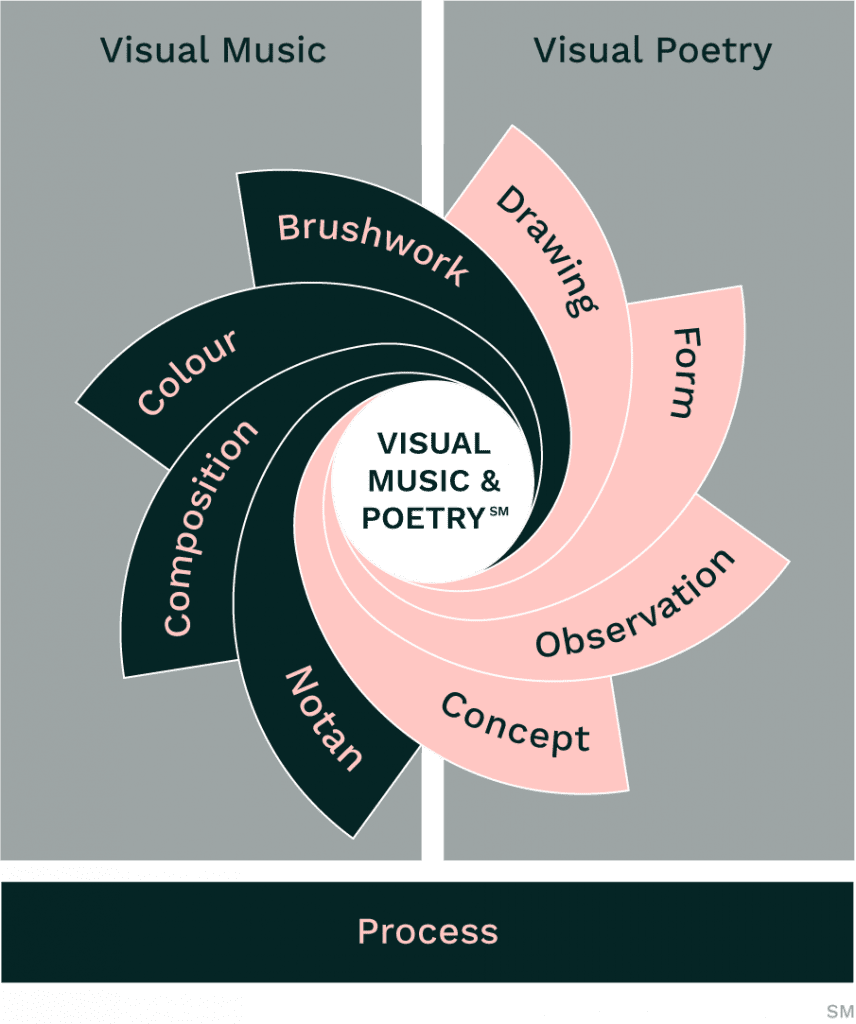
The concept behind my online painting classes is that you need to build up your skills in 9 key areas in order to paint well.
I call these the Virtual Art Academy Building BlocksTM. They are, Drawing, Form, Color, Composition, Brushwork, Notan, Observation, Concept, and Process. Many students are frustrated with their progress, and it is usually because they are lacking skills in one of these nine areas.
After completing the lessons and assignments in these online painting classes, you will have gained the skills to create exciting compositions, incredibly beautiful color harmonies, and expressive brushwork that will bring your painting alive. You would have built your observation skills in drawing, form, and color to make your work look realistic while understanding how to create an underlying abstract design that will make your work stand out in a gallery. In addition you would have learned how to give your painting meaning as well as design to take it to a museum level quality.
Insights Into A Professional Artist's Life
Approximately each month, for my Spiral of Learning students, I run a special online painting class for my students, based on an actual art projects I am currently working on myself— so you get an inside peek into experience the life of a professional artist.
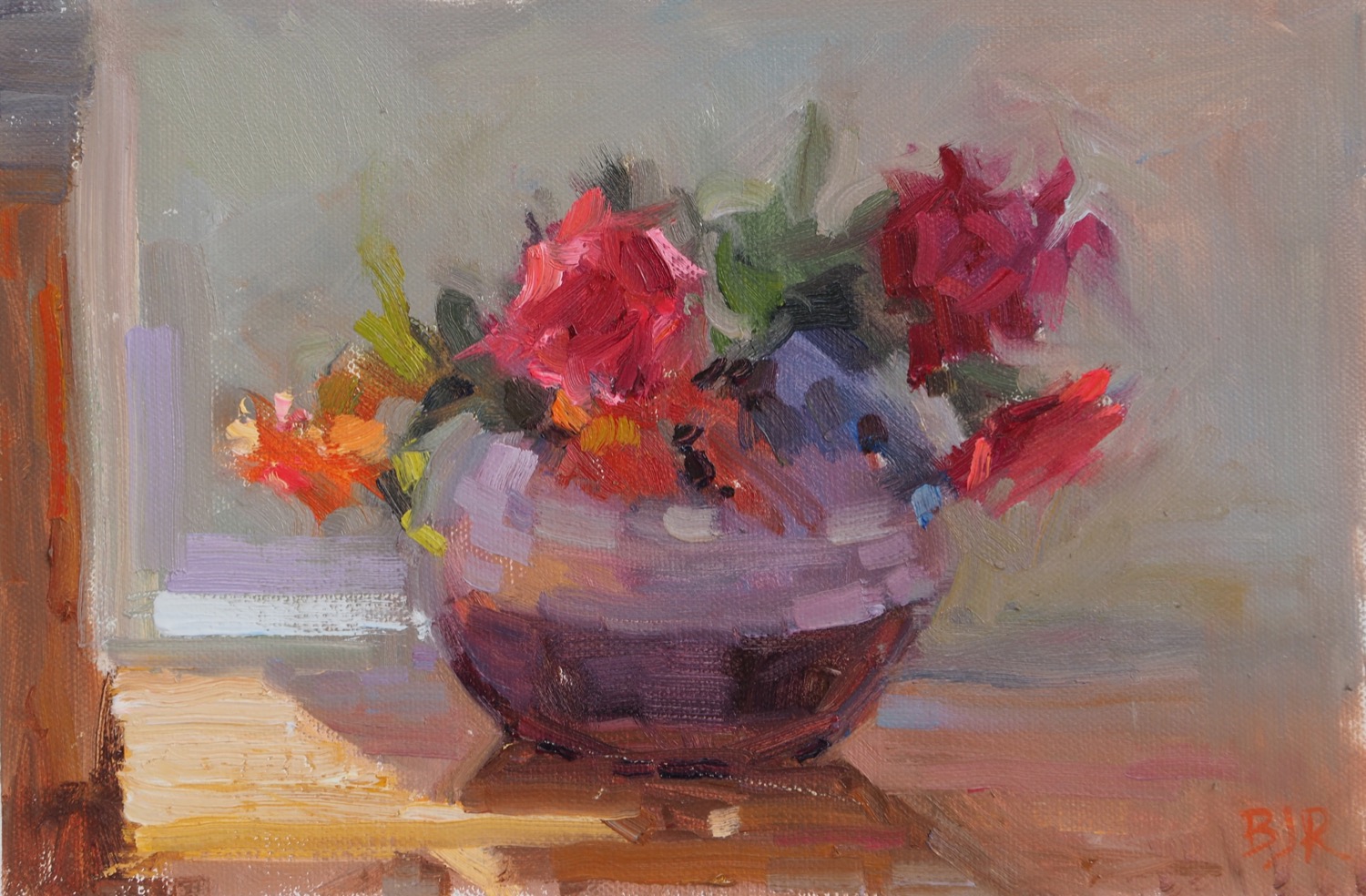
Multiple Paths Give You Flexibility And Choice In Your Learning
The Virtual Art Academy online painting course is organized is such a way that you have a choice in how you learn. You can follow the most popular structured path of completing online painting classes sequentially. Alternatively, if you are an advanced student, you can choose online painting classes from just one Building Block. Simply choose the area of painting in which you need to most help. For examples, you can study all the lessons on color, or all the lessons on brushwork.
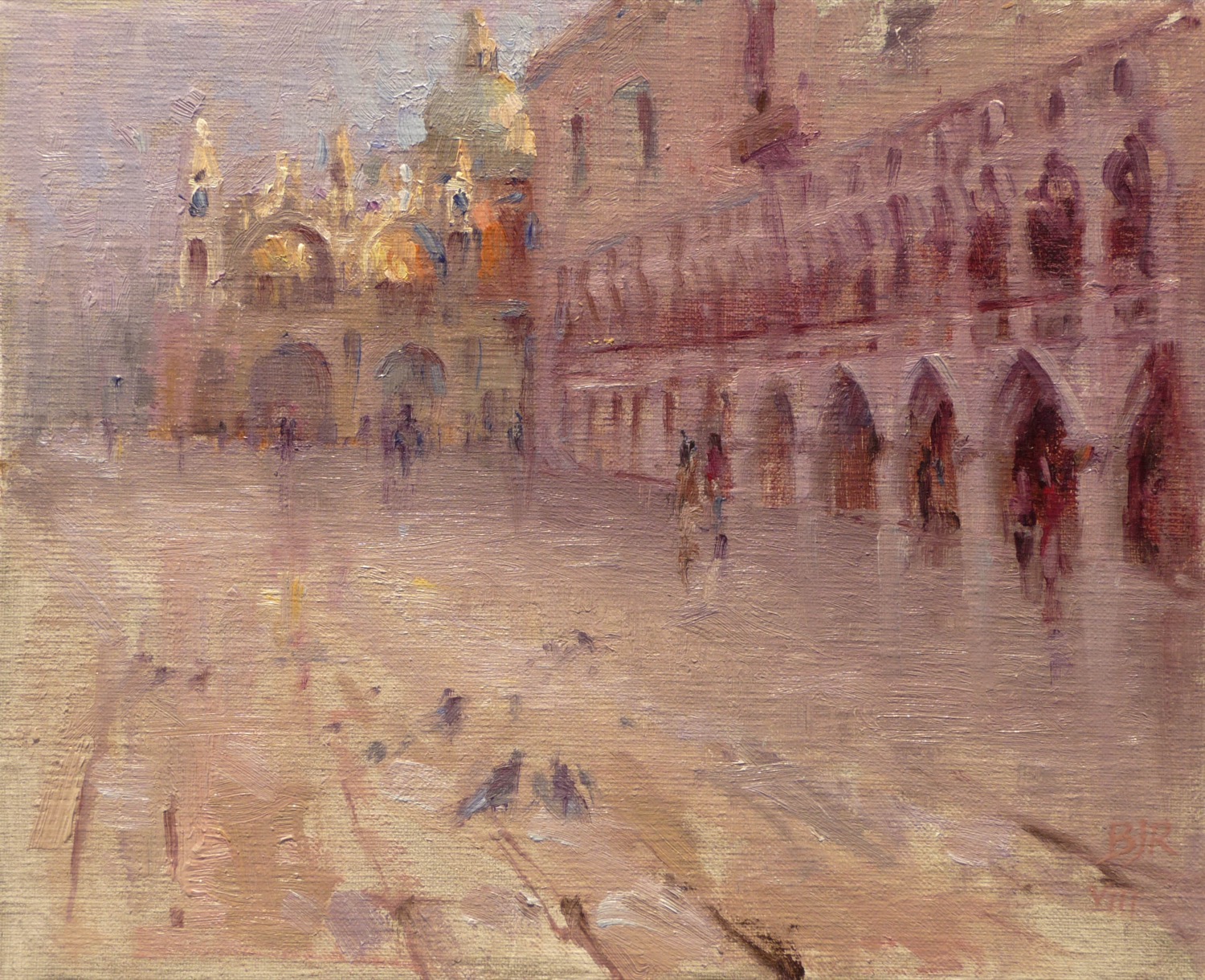
Choose Whichever Painting Medium You Want
- Online Oil Painting Classes
- Online Watercolor Painting Classes
- Online Acrylic Painting Classes
Since you are learning the important underlying principles of painting that are the foundation of all great artworks, my online painting classes work for all painting mediums. In my Virtual Art Academy online art school, I have integrated oil painting, acrylic painting, and watercolor painting classes, all into a single teaching system. You can also use other painting media such as gouache, pastel, mixed media, colored crayons, as well as digital painting tools. The choice is yours.
Setting The Expectation
Don't expect this build up of skills to happen quickly. It takes time and effort to get to be a good painter. You have to put some work in. In these virtual art classes I am not offering any quick fixes. It is essential, if you want to paint well, that you systematically build up your foundational skills—that is what I designed this program for.
Many artists who have participated in my online paintings classes have said that they have seen significant improvements after just a few months. To get to a really high level though takes at least a year, and to reach a professional level you will need at least two to four years, and that is if you keep practicing the basics.
Subscription Based Membership
With the Virtual Art Academy online painting classes, you pay on a monthly basis to access my virtual painting classes. You do not have to commit to taking all of the 16 workshops of online painting classes up-front. You can stop your monthly payment at any time and you will not owe anything. You need to have an active subscription in order to access the lessons.
The goal of these virtual art classes, is to provide you with a lifetime of learning opportunities at an affordable cost so that your painting will continue to improve to a professional level. Many members have been with my Virtual Art Academy for over ten years now because they say they learn something new every day. The reason for this is that the knowledge base is very deep and comprehensive, and it is continually growing — everything I learn personally as part of my own artistic growth as a professional artist, I share with you.
... and as a bonus, you can make wonderful friendships with our worldwide community of dedicated artists.
Frequently Asked Questions
Online Painting Classes For Beginners?
Are these online painting classes for beginners?
I have built a special Foundation Program for absolute beginners. The virtual art classes in this program are designed for someone who has never painted before. When you have finished the Foundation Program, you can then join my four-year Apprentice Program that will build your skills to a high level.
Online Painting Classes for Adults.
Are These Online Painting Classes Suitable For Someone Who Wants To Pursue Painting As Just A Hobby?
My Virtual Art Academy online painting classes are designed for adults who want to build a solid foundation for their art in a structured way. Even if art is just a hobby, by taking a structured approach to your learning you will get much more out of your hobby.
Are These Online Painting Classes Suitable For Experienced Or Professional Painters?
These online painting classes contain comprehensive information for all levels. Experienced painters will be able to take their work to a higher or a professional level using the more advanced information in each Building Block.
Will I Have To Commit For The Entire Program?
Absolutely not. You can just join for a month and see how you like our online painting lessons. If it doesn’t work out for you you simply cancel your subscription and your monthly payments will stop.
How Much Time Commitment Is Required?
There is no required time commitment. You can do the course at times that are suitable for you. Some students work on it just on the weekends, some work on it full time. The program is very flexible, and you can go as fast or as slow as you like.
What if I Don't Have Much Time?
I have built a 10 minute-a-day learning system. My Virtual Art Academy has an app for your phone or tablet that you can use on-the-go for those of you who are busy, and who don't have much time. Using this app, you can browse through postings in any of the 8 Building Blocks, and look at how the masters have solved a particular painting problem in that area.
This will build up your knowledge of painting and enhance your ability to understand master paintings on a daily basis. This means that when you finally have more time available to paint, you will be much better prepared. Think of it as your daily 10-minute virtual painting class.
How Long Does It Take To Complete The Apprentice Program?
Students typically take between one and three months to complete each workshop. There are 16 workshops in the full program - equivalent to a four-year university program. The full program of online painting classes, contains a total of 192 lessons, with 12 painting lessons in each of the 16 workshops.
Will I Get Feedback On My Assignments?
I designed the system as a self-study program in order to keep the monthly cost low. Otherwise, if you wanted personal feedback, it would cost you about ten times as much on a monthly basis for quality instructor feedback.
However, I built into the system many special features to encourage a peer-to-peer feedback system.
First of all, I broke down the learning into small manageable chunks - in fact my online painting classes contain 350 of them in total. Each of these chunks is a small and easily manageable assignment that will help you improve your painting, one small step at a time. This makes learning fun and satisfying, since each step is easily managed.
Secondly, you can submit your assignments to the Online Campus where you can discuss it with other students and get feedback. In my experience, those members who engage with our community get a lot out of it, and learn faster.
Thirdly, I have also built into the system some special features that let you easily see all the previous discussions on the assignments I set for you. In this way you can build up your own experiences by learning from the previous efforts of other students, once again accelerating your learning.
All of these features are unique to the Virtual Art Academy, and according to what many of my students have told me, you will not find anything like the quality and comprehensiveness of this program anywhere else, unless you were to attend a full time university art program.
Do I Have To Post My Assignments To The Online Campus?
It is not necessary to post your assignments to the Online Campus. You can choose to work on your own if you wish. The system is completely flexible in this regard.
Are Drawing Classes Included In This Program?
Yes they are. In fact I can teach you how to draw quite well, in just about one week. That's all it takes if you follow my method. The method is covered in detail in the Apprentice Program.
Drawing is important to learn because you can only paint as well as you can draw. In the Apprentice Program you will learn the two most important drawing techniques, angular transfer and triangulation. You will learn techniques of line and mass gesture drawing, contour drawing, measurement techniques, as well as, many lessons on perspective and vanishing points.
Are These Online Painting Classes Suitable For Plein Air Painting?
All the online painting classes are perfect for plein air painters. In fact much of my own work is done plein air. Important topics in plein air painting are covered in the Apprentice Program, including the Alla Prima painting process, how to match colors in nature, and how to give your paintings depth using atmospheric perspective.
What is the value of the information in the Virtual Art Academy online painting classes?
Over a period of thirty years, I have personally invested over $40,000 on my own art education. To this day I still continue to invest in acquiring even more advanced information. A good traditional art academy will cost upwards of $60,000 for a four year program. My vision with the Virtual Art Academy was to be able to share all of his information with you. In this way you get the same high quality art education, but at a fraction of the cost, and in a much more structured form.
Our students have usually done a thorough search for online painting classes. They consistently tell us they have found no other online painting course as comprehensive or as high quality as the Virtual Art Academy program. You can see what our students say about the online painting classes on our student review page.
How does the Virtual Art Academy online painting course compare with attending a one-week workshop with a professional artist?
The Virtual Art Academy four year Apprentice Program has been divided into 16 workshops. Each workshop was designed to contain about the same amount of information that you would get if you attended an intensive 7-14 day workshop with a top professional artist.
A single workshop with a top professional artist would cost you $3000 for just one week, including the cost of airfare, lodging, and tuition. For the same price, with the Virtual Art Academy, you get sixteen workshops, not just one. The Apprentice Program is a highly cost-effective way of acquiring a lot of information that can take you all the way from an absolute beginner to a professional level. Plus you get the added benefit that you can fit your workshops into your own schedule. You have complete control over when you do the lessons and how long you take to do them.
How do the Virtual Art Academy® online painting classes compare with attending a four-year program at prestigious art school?
The Virtual Art Academy provides a much broader curriculum than you would get at a traditional art school or classical realism atelier. You will learn not only the skills of the traditional classical realism curriculum that were taught in the French academies, but also modern impressionist color techniques and the principles of modern art and design. This means you are not forced into painting in just one style. You will get the skills to follow your own creativity and path and paint in any style you prefer. (See: tips on choosing oil painting classes)
If you still have questions then feel free to Contact Me.